Cost, Billing, and Ops
Latest articles in Cost, Billing, and Ops.

AI API Cost Attribution by Team: From One Key to Accountable Usage
AI API cost attribution is the operating practice of connecting every model request and every billing unit to the team, product area, environment, workflow, or customer that created the spend. It turns "the AI bill went up" into "support automation, the evaluation pipeline, or one customer-facing fe
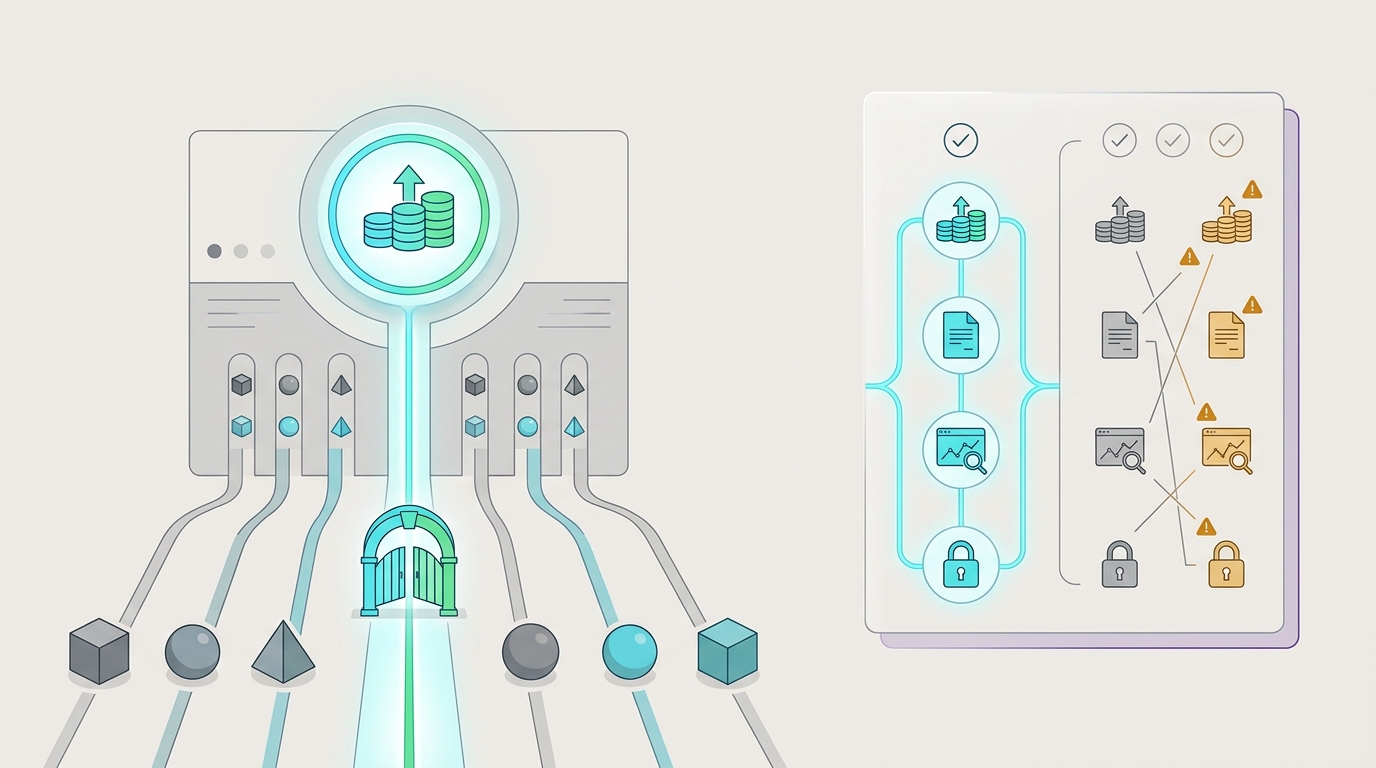
Prepaid AI API Billing vs Direct Provider Accounts: Operational Tradeoffs
prepaid AI API billing is a balance-first way to operate model spend: add funds once, route usage through a gateway, review consumption in one place, and keep finance from reconciling a separate account for every model provider. Direct provider accounts are the opposite operating pattern: each team

Per-Key AI Usage Tracking: Separate Staging, Production, and Customer Traffic
per-key AI usage tracking is the operating practice of assigning each AI API key a clear owner, environment, workflow, and traffic class, then reviewing usage, cost, errors, and quota events by that key. It is the difference between knowing that "the AI account spent more this week" and knowing that
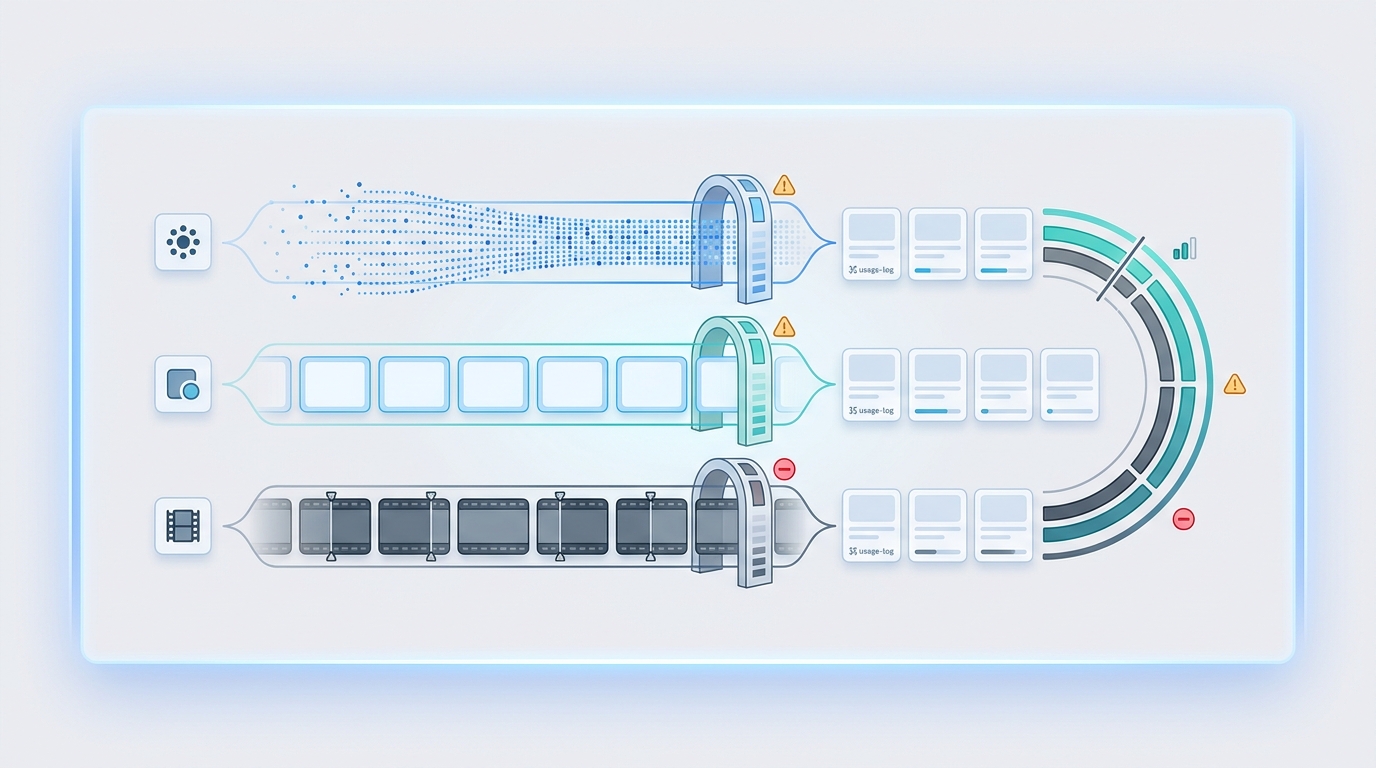
AI API Quota Management: Prevent Runaway Token, Image, and Video Spend
AI API quota management is the operating layer that keeps model experiments from turning into runaway token, image, and video bills. Rate limits protect throughput. Quotas protect budget, ownership, and launch safety by deciding how much a key, team, workflow, environment, model, or modality is allo
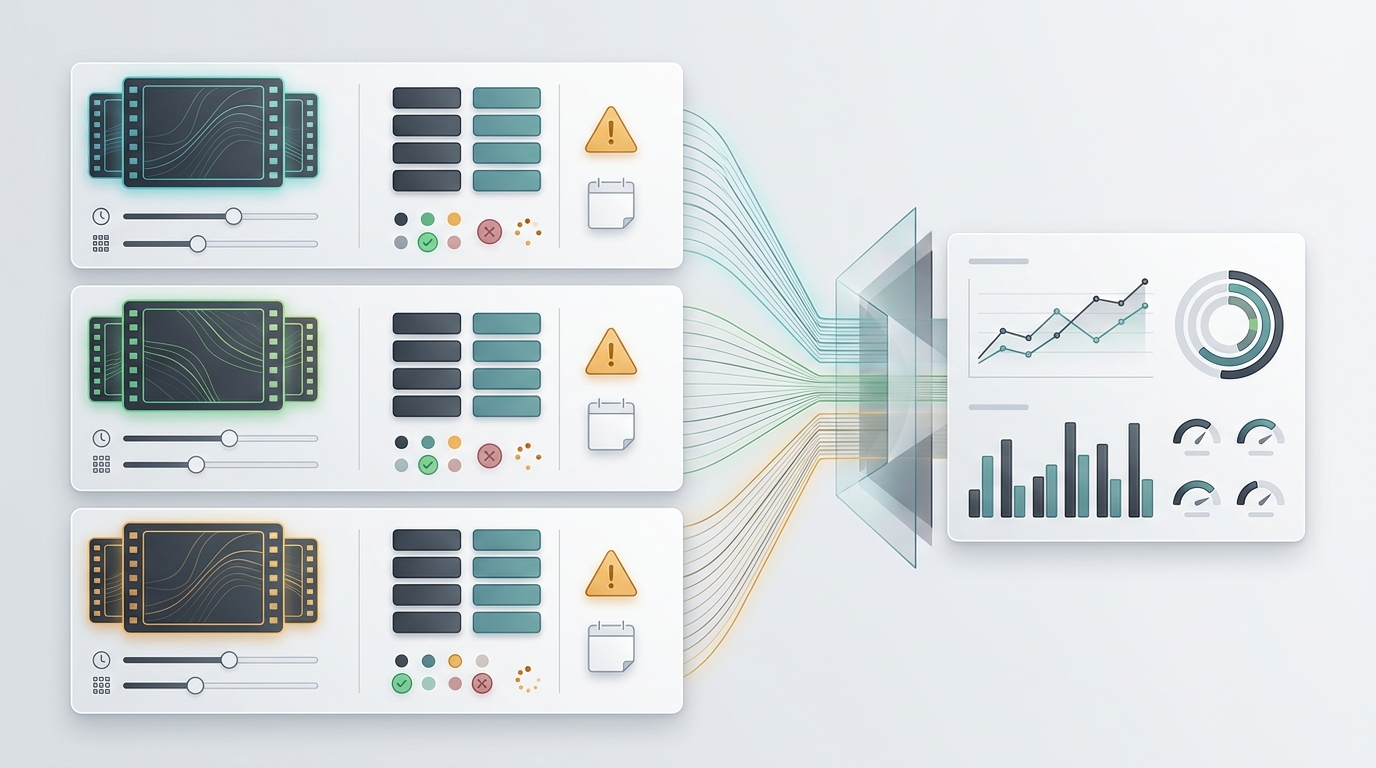
AI Video Generation API Pricing Comparison: Seedance, Veo, and Sora Deprecation Risk
AI video generation API pricing is harder to compare than text or image pricing because the billing unit changes by provider. Google Veo and OpenAI Sora expose per-second video prices, BytePlus Seedance examples are tied to token/resource-pack consumption, and every route has extra operational quest

AI Image Generation API Pricing Comparison: GPT Image, Gemini Image, and Imagen Units
AI image generation API pricing is hard to compare because providers do not all sell the same unit. OpenAI GPT Image uses token-based image cost estimates, Google Gemini image models blend text, input image, and output image token pricing, and Google Imagen is often shown as a direct per-image price

AI Model Pricing Comparison: Token, Image, and Video Costs in One Dashboard
AI model pricing comparison gets messy as soon as your product uses more than one modality. Text models are often compared by input and output token rates. Image models add image input, output image tokens, quality settings, and edits. Video models may expose token-style rows, per-job rows, per-seco

OpenAI Image API Pricing: How to Budget GPT Image and Multimodal Generation Costs
OpenAI image API pricing is easy to misread if you treat every image request as one flat "cost per image." GPT Image pricing is token-based: text prompt tokens, image input tokens for edits or references, cached input when available, image output tokens, and in some GPT Image rows, text output token
Build faster with one AI gateway.
Use flatkey.ai to manage models, keys, billing, and observability from one API platform.
Get started